

The Unknowns on the Card
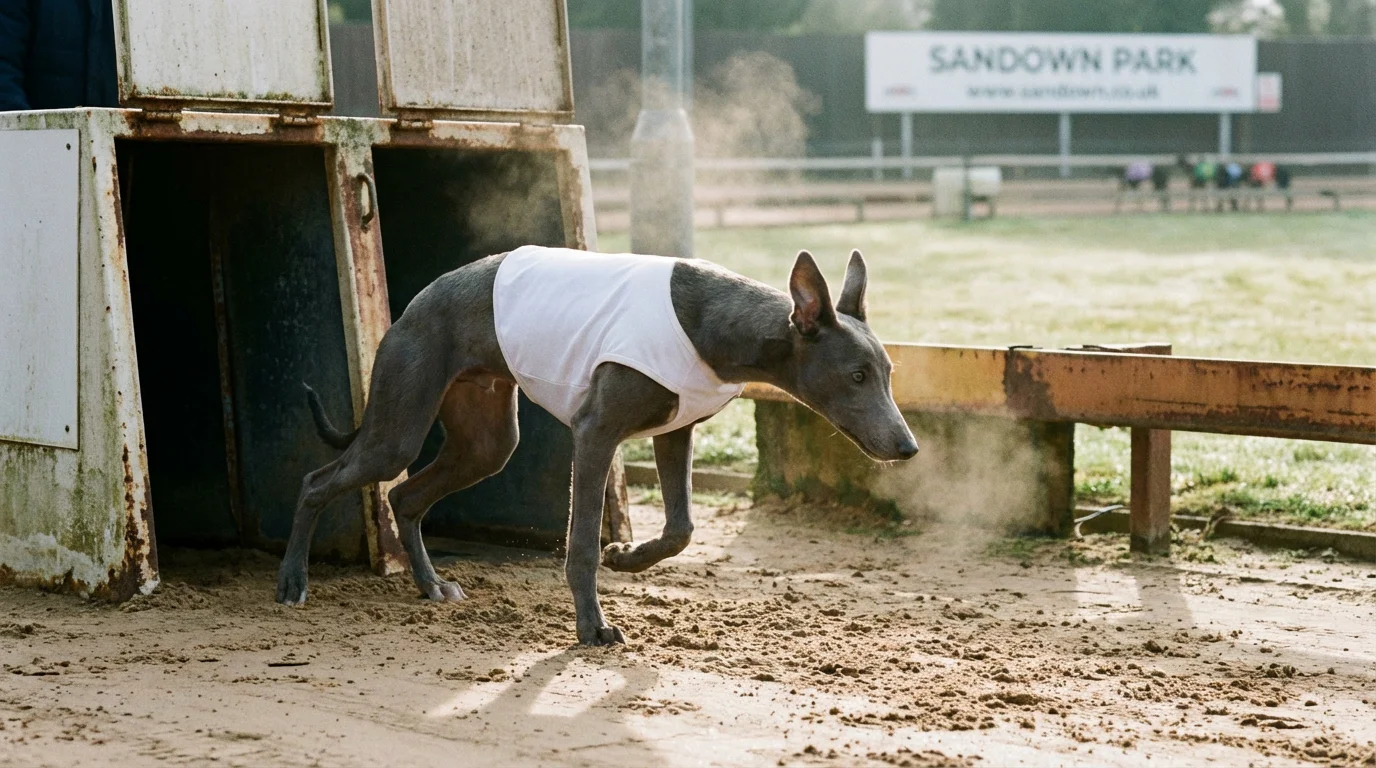
Puppy races are where greyhound racing confronts its own uncertainty most honestly. The dogs are young — typically under two years old — with limited race experience, thin form records, and abilities that are still developing. Some will improve dramatically over their first few months of racing. Others will plateau early and settle at a modest grade. A few will turn out to be genuinely exceptional. The problem, from a betting perspective, is that you can’t always tell which category a puppy falls into from the handful of runs in its form book.
That uncertainty cuts both ways. Puppy races are harder to assess than established graded racing, which means the market is less efficient. Bookmaker pricing on young, unproven dogs is based on limited information, and limited information creates opportunities for punters who know what to look for — and who accept the higher variance that comes with backing animals whose ceiling is unknown.
Get more race guides at greyhoundracingbettinguk.
Age Rules and Eligibility
In the UK, greyhounds become eligible to race once they reach a minimum age of 15 months as set by GBGB regulations. Puppy races and puppy competitions are restricted to dogs within a defined age band — under the age of two (24 months from the month of whelping), though specific competitions may set their own eligibility criteria. The major puppy events on the UK calendar, such as the Puppy Derby and various track-specific puppy stakes, draw the most promising young dogs from across the country and from Ireland.
Young dogs entering racing for the first time undergo trial runs at the track to establish basic time, confirm they chase the hare effectively, and demonstrate they can navigate the bends safely. These trial times form the starting point for the dog’s initial grading and provide the first piece of public data that punters can use. A fast trial time from a debutant catches attention immediately, but trial times are recorded in controlled conditions — often without a full field of six dogs competing around it — and may not translate directly to race performance.
Most puppies make their competitive debut in lower grades, where they race against other young or less experienced dogs. Some exceptionally talented puppies are fast-tracked into higher grades or entered directly into puppy feature events. The rate at which a puppy is promoted through the grades in its first few months of racing is one of the strongest indicators of its long-term potential.
Trainers play a particularly important role in the puppy stage. The decision about when a young dog is ready to race, which track and distance suits its developing physique, and how many races to run in its first month all sit with the trainer. Kennels with a strong record of developing young talent — bringing puppies through carefully, peaking them for puppy events, and managing the transition to open competition — are worth tracking. The trainer’s record with previous puppies tells you something about the likely trajectory of the current crop.
Limited Form — Reading the Signs
When a puppy has three or four races on its card, you’re working with a fraction of the data available for an established dog with thirty runs in its form book. Every piece of information carries more weight — and more uncertainty. The challenge is distinguishing genuine signals from noise in a small sample.
Trial times provide the baseline, but they should be read cautiously. A fast trial doesn’t guarantee a fast racer, because trials don’t replicate the physical and mental intensity of a six-dog field on a first bend. What a trial does tell you is the dog’s raw speed capability in a controlled setting. If that raw speed is significantly faster than the grade it’s been entered in, the dog has scope to outperform its rivals even if it loses ground through inexperience.
Improvement across the first few runs is the most valuable signal. A puppy that runs 30.20 on debut, 29.90 on its second start, and 29.65 on its third is improving at a rate that suggests it hasn’t yet reached its best. The market often prices puppies on their most recent time rather than on the trajectory. If that trajectory points to a time that would make it competitive at a higher grade, the current price may undervalue it.
Sectional data is especially revealing for young dogs. A puppy with a slow first-bend split but a fast finishing split is a closer that may not have learned to break sharply yet — a common trait in young dogs that improves with experience and race craft. A puppy with a fast first-bend split but a fading finish may simply lack the fitness to sustain its early pace over the full distance — something that often improves as the dog matures physically.
Trouble in running disproportionately affects young dogs. Puppies are less experienced at navigating first-bend congestion, less adept at holding their line when bumped, and more likely to be unsettled by the physical contact that is routine in greyhound racing. A puppy that finishes poorly after encountering interference deserves a second chance in the form book. Its calculated time — the adjusted figure that estimates what it would have run without the trouble — is a better guide to its ability than the raw result.
Betting on Potential vs Proven Ability
The fundamental tension in puppy race betting is between what a dog has done and what it might do. Established dogs have deep form records that produce reliable assessments. Puppies have thin form records that produce educated guesses. The distinction matters for how you stake and what kind of value you’re looking for.
Backing proven ability is safer but often offers less value. A puppy that has won its first three races will be short in the market. The form is clear, the trajectory is obvious, and the bookmaker has already priced in the improvement. You might still back it if you believe the market is too generous — perhaps the step up in grade or the switch to an unfamiliar track creates doubt that the form doesn’t justify — but the big overlays aren’t usually found on the obvious improver that everyone has already noticed.
Backing potential is where the real value lies, but it requires a tolerance for being wrong more often. A puppy with two moderate runs but a fast trial time and a trainer known for developing young dogs might improve significantly on its next start. The market price — perhaps 5/1 or 8/1 based on its recent results — doesn’t reflect the upside scenario. If you’ve identified a credible reason for improvement (a more suitable trap draw, a distance better suited to the dog’s running style, or simply the natural development curve of a young animal), the price can offer genuine value that disappears once the dog proves itself with a winning performance.
Staking on puppy races should reflect the higher uncertainty. Reduce your unit stake compared to established graded racing. You’ll be wrong more often, because the information base is thinner and the outcomes are more variable. But when you identify a puppy before the market catches up — backing it at 6/1 on the run that brings it to the attention of the crowd, before it’s 2/1 next time out — the return compensates for the additional losses.
Puppy feature events — the Puppy Derby, track-specific puppy stakes, and similar competitions — concentrate the best young dogs in competitive fields. These races attract deeper betting markets and more bookmaker attention than regular puppy heats, which means the pricing is often tighter. The ante post markets on major puppy events, however, can be generous early in the competition, for the same reasons that Derby ante post markets are: the uncertainty is high, the attrition rate through the rounds is significant, and early prices reflect that risk.
Young Legs, Unknown Ceiling
Puppy racing rewards punters who pay attention to trajectory rather than position. A puppy finishing fourth on debut isn’t failing — it’s beginning. The question isn’t where it finished but how it ran: was it gaining at the line, was it trapped wide in a style mismatch, was it encountering race conditions for the first time? The punters who answer those questions accurately, while the market focuses on the result, are the ones who find value in the next race and the one after that.
Also read our how greyhound grading works.
Watch the young dogs carefully. Note which ones improve between their first and third starts. Note which trainers consistently produce fast puppy developers. And when a young dog shows the combination of raw speed, improving splits, and a clean run-style profile that suggests it hasn’t yet shown its best, back it before the rest of the market figures it out.
